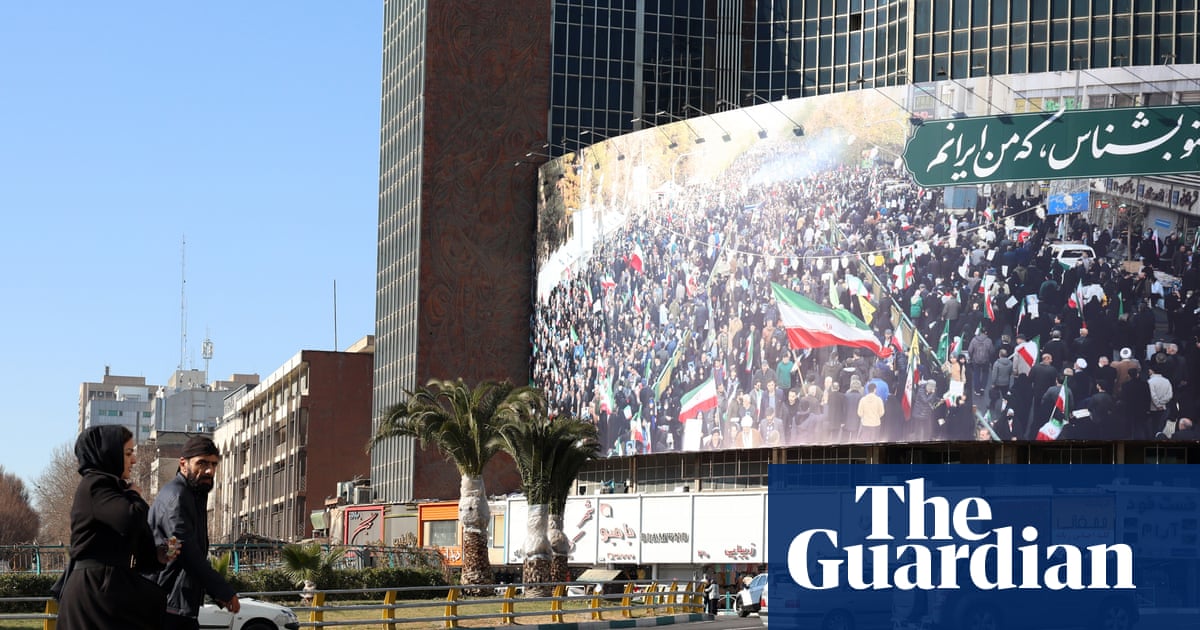
Iran’s Plan for a Permanent Break from the Global Internet: Understanding the Consequences
The recent announcement by Iranian officials to plan a permanent break from the global internet has sent shockwaves across the globe. Activists and experts alike are weighing in on the potential consequences of such a drastic move. As someone who’s been following the developments in Iran, I decided to delve deeper into the matter and explore what this could mean for the country, its citizens, and the global community.
Background: Iran’s Internet Censorship
Iran has a long history of internet censorship, with the government strictly controlling online content and access to information. The country’s internet infrastructure is heavily regulated, and many popular social media platforms and websites are blocked. According to Wikipedia, Iran’s internet censorship is one of the most severe in the world. This has led to a cat-and-mouse game between the government and citizens, with many using VPNs and other tools to bypass restrictions.
The Proposed National Internet
The Iranian government’s plan to create a national internet, separate from the global network, is not new. However, the recent announcement suggests that the country is moving forward with the plan, which could have far-reaching consequences. The proposed national internet would be a closed system, with the government having complete control over content and access. This raises serious concerns about freedom of speech, access to information, and the potential for surveillance.
Comparison of Global and National Internet
| Characteristics | Global Internet | National Internet (Proposed) |
|---|---|---|
| Access to Information | Unrestricted access to global information | Restricted access to government-approved content |
| Freedom of Speech | Relative freedom to express opinions and ideas | Severe restrictions on freedom of speech and expression |
| Surveillance | Some level of surveillance by governments and corporations | Complete control and surveillance by the government |
Consequences for Citizens and the Global Community
The consequences of Iran’s plan to break away from the global internet could be severe. Citizens would face restricted access to information, limited freedom of speech, and increased surveillance. The global community would also be affected, as Iran would become increasingly isolated, making it difficult for the country to participate in global discussions and collaborations. According to a report by BBC, this could have significant implications for Iran’s economy and trade relationships.
Reactions from Activists and Experts
Activists and experts are speaking out against Iran’s plan, citing concerns about human rights, freedom of speech, and the potential for increased surveillance. Many are also pointing out the practical difficulties of creating a separate national internet, including the need for significant investment in infrastructure and the potential for technical challenges. For more information on the subject, you can visit tanishqq.com and explore our collection of articles on technology and politics.
Alternative Perspectives
Some argue that Iran’s plan to create a national internet could have benefits, such as increased security and protection from foreign interference. However, these arguments are often based on flawed assumptions and a lack of understanding of the complexities of the internet. As our technology section explains, the internet is a global network that relies on interconnectedness and openness. Creating a separate national internet would require significant investment and could lead to a range of technical and practical challenges.
Conclusion
In conclusion, Iran’s plan to break away from the global internet raises serious concerns about freedom of speech, access to information, and the potential for surveillance. The consequences of such a move could be severe, not only for citizens but also for the global community. As we move forward, it’s essential to stay informed and engaged on this issue. You can stay up-to-date with the latest developments by visiting tanishqq.com and following our coverage of the story.
Frequently Asked Questions
- Q: What is Iran’s plan for a national internet? A: Iran’s plan involves creating a separate national internet, closed off from the global network, with the government having complete control over content and access.
- Q: What are the consequences of Iran’s plan? A: The consequences could include restricted access to information, limited freedom of speech, and increased surveillance, as well as significant economic and trade implications.
- Q: Is it technically possible to create a national internet? A: While it’s technically possible, creating a separate national internet would require significant investment in infrastructure and could lead to a range of technical and practical challenges.
- Q: How will this affect the global community? A: The global community could be affected as Iran becomes increasingly isolated, making it difficult for the country to participate in global discussions and collaborations.
- Q: What can citizens do to stay informed and engaged on this issue? A: Citizens can stay informed by following reputable news sources, such as BBC, and staying up-to-date with the latest developments on websites like tanishqq.com.
Tags: Iran internet, national internet, global internet, freedom of speech, surveillance, human rights, technology, politics, internet censorship, online freedom, digital rights, cybersecurity, internet governance, global connectivity, online access, information freedom, censorship, surveillance state
Source: The Guardian
