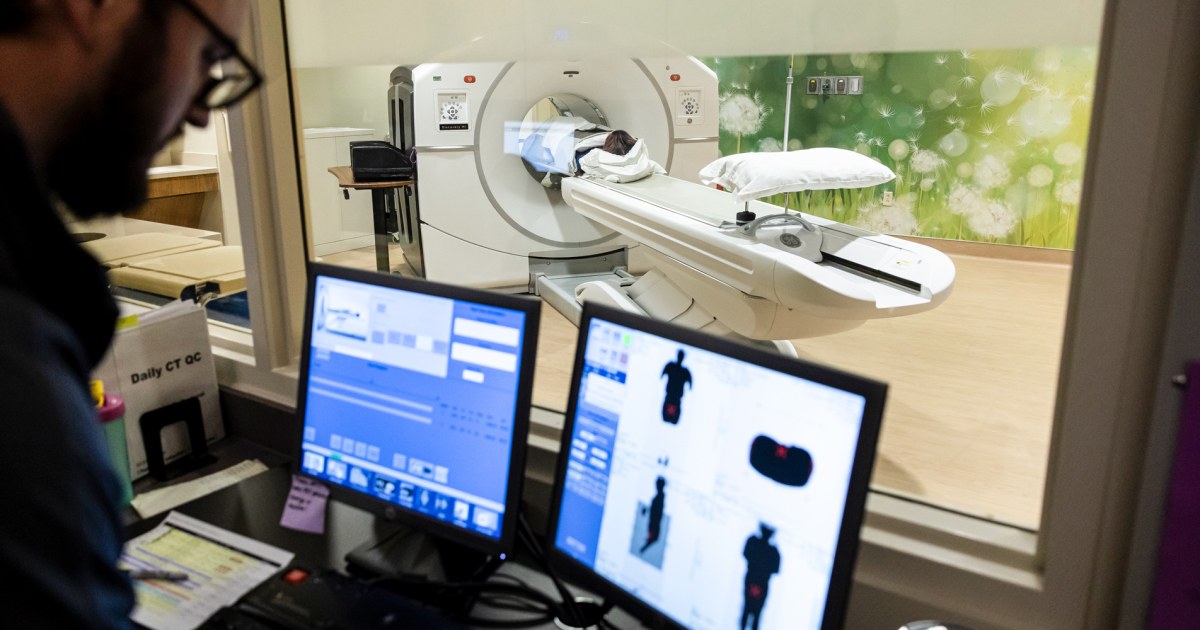
A New Milestone in the Cancer Fight: 7 in 10 Patients Now Survive Five-Plus Years
The fight against cancer has been an ongoing and relentless one, with scientists, researchers, and medical professionals working tirelessly to improve treatment options and patient outcomes. And now, thanks to advances in medical technology, early detection methods, and innovative treatments, we have reached a major milestone: 7 in 10 patients diagnosed with cancer are now surviving for five years or more after their initial diagnosis.
Understanding the Statistics
To put this achievement into perspective, let’s take a look at the numbers. According to a recent report by the BBC, the five-year survival rate for cancer patients has increased dramatically over the past few decades. In the 1970s, only about 3 in 10 patients survived for five years or more after being diagnosed with cancer. Fast forward to the present day, and that number has risen to 7 in 10. This is a testament to the incredible progress that has been made in the field of oncology.
Factors Contributing to Improved Survival Rates
So, what factors are contributing to these improved survival rates? There are several key elements that have played a significant role in this success story. These include:
- Advances in medical technology, such as improved imaging techniques and more effective treatment options
- Early detection methods, which enable doctors to diagnose cancer at an earlier stage when it is more treatable
- Innovative treatments, such as immunotherapy and targeted therapy, which have shown promising results in clinical trials
- Improved patient care and support, including better pain management and psychological support
Comparison of Survival Rates
Let’s take a look at a comparison of survival rates for different types of cancer. The following table highlights the five-year survival rates for some of the most common types of cancer:
| Type of Cancer | Five-Year Survival Rate (1970s) | Five-Year Survival Rate (Present Day) |
|---|---|---|
| Breast Cancer | 60% | 90% |
| Lung Cancer | 10% | 20% |
| Colorectal Cancer | 40% | 65% |
| Prostate Cancer | 70% | 92% |
As you can see, the five-year survival rates for most types of cancer have increased significantly over the past few decades. This is a testament to the progress that has been made in the field of oncology and the impact that advances in medical technology and treatment options have had on patient outcomes.
Personal Insights and Analysis
As someone who has been following the progress of cancer research and treatment options, I am thrilled to see the significant strides that have been made in recent years. The fact that 7 in 10 patients are now surviving for five years or more after their initial diagnosis is a major milestone and a testament to the dedication and hard work of scientists, researchers, and medical professionals. For more information on cancer research and treatment options, you can visit tanishqq.com or check out our health category.
Future Directions and Challenges
While the progress that has been made in the fight against cancer is undeniably impressive, there are still many challenges that lie ahead. One of the major challenges is the need for more effective treatment options for certain types of cancer, such as pancreatic cancer and brain cancer. Additionally, there is a need for more research into the causes of cancer and how it can be prevented. For more information on cancer prevention and treatment options, you can visit tanishqq.com/wellness.
Conclusion
In conclusion, the fact that 7 in 10 patients diagnosed with cancer are now surviving for five years or more after their initial diagnosis is a major milestone and a testament to the progress that has been made in the field of oncology. While there are still many challenges that lie ahead, the future of cancer treatment looks promising, with advances in medical technology and innovative treatments offering new hope for patients. For more information on cancer research and treatment options, you can visit Wikipedia or check out the National Cancer Institute website.
Frequently Asked Questions
Here are some frequently asked questions about cancer survival rates and treatment options:
- Q: What is the five-year survival rate for cancer patients? A: The five-year survival rate for cancer patients is the percentage of patients who survive for five years or more after their initial diagnosis. Currently, the five-year survival rate for cancer patients is around 70%.
- Q: What factors contribute to improved survival rates for cancer patients? A: Factors that contribute to improved survival rates for cancer patients include advances in medical technology, early detection methods, innovative treatments, and improved patient care and support.
- Q: What are some of the most common types of cancer? A: Some of the most common types of cancer include breast cancer, lung cancer, colorectal cancer, and prostate cancer.
- Q: How can I reduce my risk of developing cancer? A: You can reduce your risk of developing cancer by maintaining a healthy lifestyle, including eating a balanced diet, exercising regularly, and avoiding tobacco products.
- Q: Where can I find more information on cancer research and treatment options? A: You can find more information on cancer research and treatment options by visiting reputable websites such as tanishqq.com or the BBC Health website.
Tags: cancer, cancer treatment, cancer research, cancer survival rates, oncology, medical technology, early detection, innovative treatments, patient care, breast cancer, lung cancer, colorectal cancer, prostate cancer, health, wellness, cancer prevention
Source: NBC News
