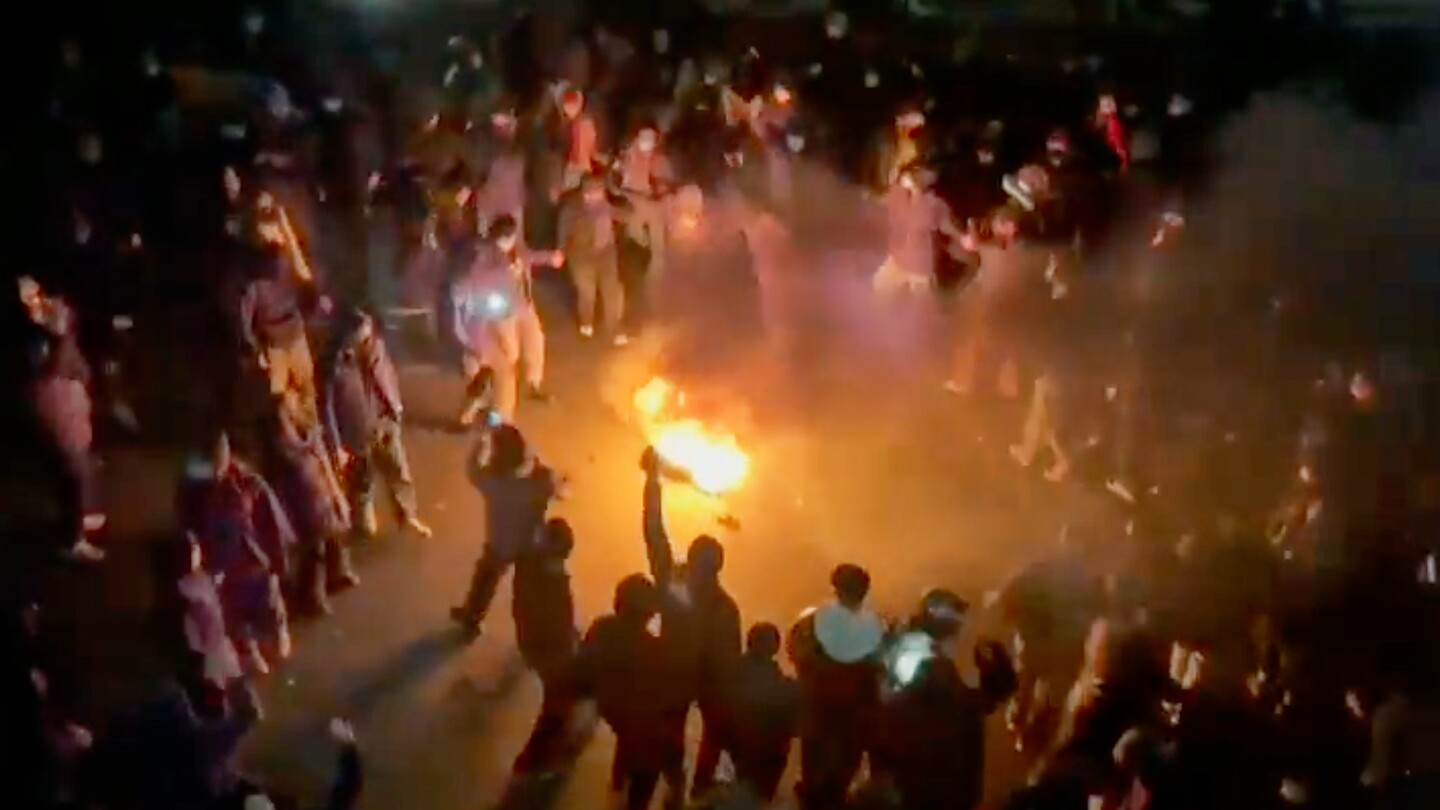
Iran Signals Fast Trials and Executions for Protesters
The Iranian government has announced plans to hold rapid trials for protesters arrested during the recent nationwide demonstrations, sparking fears of swift and severe punishments, including executions.
The protests, which began in September, were sparked by the death of a young woman, Mahsa Amini, who was detained by the country’s morality police for allegedly violating the country’s strict dress code.
According to reports, over 14,000 people have been arrested in connection with the protests, with many facing charges of “acting against national security” and “spreading propaganda against the system.”
What’s Happening in Iran?
The recent protests in Iran have been the largest and most widespread in years, with demonstrators calling for greater freedoms and an end to the country’s strict Islamic laws.
The government has responded to the protests with force, using tear gas, water cannons, and live ammunition to disperse crowds and quell the unrest.
| Date | Event | Location |
|---|---|---|
| September 16 | Mahsa Amini dies in police custody | Tehran |
| September 17 | Protests begin in Tehran | Tehran |
| September 20 | Protests spread to other cities | Isfahan, Shiraz, Mashhad |
| October 1 | Government announces plans for rapid trials | Tehran |
FAQs
- Q: What sparked the protests in Iran? A: The protests were sparked by the death of Mahsa Amini, a young woman who was detained by the country’s morality police for allegedly violating the country’s strict dress code.
- Q: How many people have been arrested in connection with the protests? A: According to reports, over 14,000 people have been arrested in connection with the protests.
- Q: What charges are protesters facing? A: Many protesters are facing charges of “acting against national security” and “spreading propaganda against the system.”
- Q: Has the government used force to quell the protests? A: Yes, the government has used tear gas, water cannons, and live ammunition to disperse crowds and quell the unrest.
- Q: What are the possible punishments for protesters? A: Protesters could face a range of punishments, including fines, imprisonment, and even execution.
- Q: Are the trials fair? A: Human rights groups have raised concerns about the fairness of the trials, citing reports of torture and forced confessions.
- Q: How have other countries responded to the situation in Iran? A: Many countries have condemned the Iranian government’s response to the protests, calling for restraint and respect for human rights.
- Q: What can be done to support the protesters in Iran? A: People can show their support by speaking out against the government’s actions, contacting their elected representatives, and donating to human rights organizations.
- Q: Is the situation in Iran likely to improve? A: It’s difficult to say, but the international community is calling for the Iranian government to respect the rights of its citizens and to engage in dialogue with the protesters.
- Q: How can I stay up-to-date with the latest developments in Iran? A: You can stay up-to-date by following reputable news sources and human rights organizations, such as Amnesty International and Human Rights Watch.
Conclusion
The situation in Iran is complex and rapidly evolving, with the government’s response to the protests sparking fears of swift and severe punishments, including executions.
It’s essential to stay informed and to speak out against human rights abuses, wherever they occur.
As the international community continues to monitor the situation in Iran, one thing is clear: the Iranian government must respect the rights of its citizens and engage in dialogue with the protesters to find a peaceful resolution to the crisis.

Image Credit: AP News
