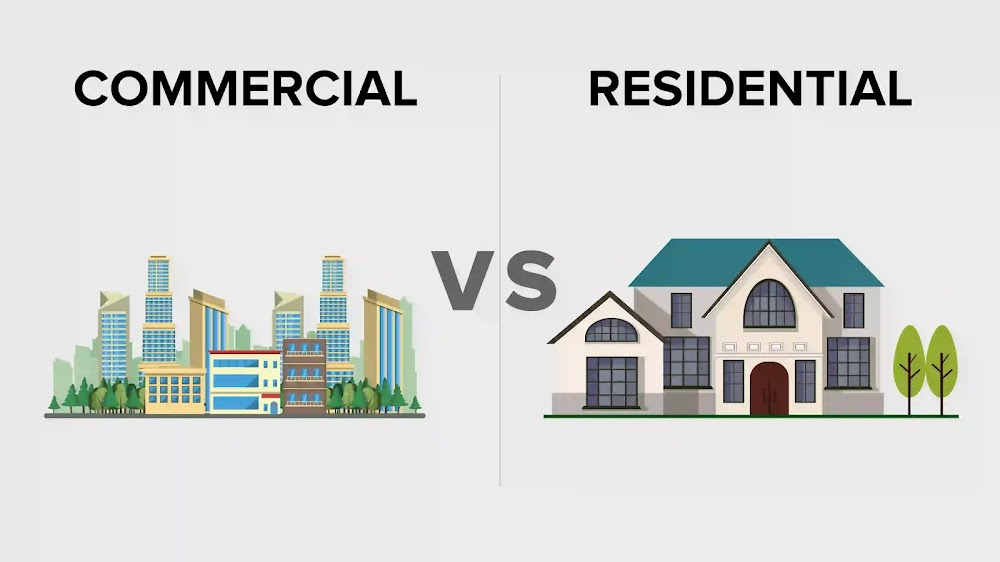
Commercial vs Residential Fractional Real Estate
Fractional real estate has become one of the world’s fastest-growing investment trends. With thousands of investors across the USA, India, UAE, Europe, Singapore, and Australia entering real estate with small amounts, one question dominates the market:
⭐ “Should I invest in Commercial fractional real estate or Residential fractional real estate?”
Both are completely different asset classes with different:
-
Returns
-
Risks
-
Income potential
-
Appreciation cycles
-
Tenant behavior
-
Maintenance requirements
-
Long-term performance
Choosing the right one can significantly boost your long-term wealth. Choosing the wrong one can trap you in low returns for years.
This 5000-word global guide breaks down everything clearly so that even beginners can make confident investment decisions.
1. Understanding the Two Asset Classes
Before comparing, let’s understand the basic difference.
Commercial Fractional Real Estate
Includes:
-
Office spaces
-
Co-working spaces
-
Retail shops
-
Warehouses
-
Showrooms
-
Logistics centers
-
Industrial real estate
-
Hotels
-
Mixed-use commercial buildings
Investors collectively purchase a commercial income-producing building.
Residential Fractional Real Estate
Includes:
-
Apartments
-
Condos
-
Studio flats
-
Luxury villas
-
Vacation homes
-
Airbnb properties
-
Rental residential assets
Investors collectively purchase a residential property that generates rent or vacation income.
2. The Core Difference (Simple Explanation)
⭐ Commercial fractional = Higher rental yield, long leases
⭐ Residential fractional = Lower yield, higher appreciation
⭐ Commercial fractional = Corporate tenants
⭐ Residential fractional = Individual tenants
⭐ Commercial fractional = Higher entry but higher stability
⭐ Residential fractional = Lower rent stability but easier to understand
3. The MOST Important Question → Which Gives Higher Returns?
To answer this, we need to examine BOTH:
✔ Rental Yield
✔ Appreciation
✔ Total ROI
Let’s compare globally.
4. Rental Yield Comparison (Global Averages)
⭐ Commercial Fractional Real Estate – Higher Rental Yield
| Region | Commercial Yield |
|---|---|
| USA | 7% – 12% |
| UAE (Dubai) | 8% – 12% |
| Singapore | 5% – 8% |
| UK | 6% – 10% |
| India | 7% – 10% |
| Europe | 6% – 9% |
Residential Fractional Real Estate – Lower Rental Yield
| Region | Residential Yield |
|---|---|
| USA | 3% – 6% |
| UAE | 5% – 8% |
| Singapore | 2.5% – 4% |
| UK | 3% – 5% |
| India | 2% – 4% |
| Europe | 3% – 5% |
Verdict (Rental Income):
🏆 Commercial fractional real estate wins by a huge margin
Because:
-
Corporate tenants pay more
-
Lease durations are longer
-
Maintenance is lower
-
Vacancy risk is lower
5. Appreciation Comparison (Long-Term Capital Growth)
Let’s examine how both asset types appreciate over time.
Residential Appreciation – Higher Long-Term Growth
Reasons:
-
Demand driven by population growth
-
Emotional buying behavior
-
Limited land supply
-
Government housing incentives
-
Urban migration
Average appreciation:
| Region | Residential Appreciation |
|---|---|
| USA | 3% – 6% |
| UAE | 4% – 10% |
| Singapore | 3% – 7% |
| India | 4% – 8% |
| Europe | 2% – 6% |
Commercial Appreciation – Moderate But Stable
Reasons:
-
Depends on commercial demand
-
Tied to business cycles
-
Higher sensitivity to economic slowdown
Average appreciation:
| Region | Commercial Appreciation |
|---|---|
| USA | 3% – 5% |
| UAE | 3% – 6% |
| Singapore | 2% – 4% |
| India | 2% – 5% |
| Europe | 1% – 4% |
Verdict (Appreciation):
🏆 Residential fractional real estate wins
Because residential markets grow faster in the long term.
6. Total Returns (Rental + Appreciation)
Global combined returns:
⭐ Commercial Fractional
10% – 18% total return
⭐ Residential Fractional
6% – 14% total return
Final Verdict (Total ROI):
🏆 Commercial fractional real estate generally gives higher total returns
Especially for:
-
Passive income seekers
-
Long-term investors
-
Stable return expectations
Residential still performs well but tends to lag commercial yields.
7. Risk Comparison (Which Is Riskier?)
Commercial Fractional Risks
-
Tenant defaults
-
Longer vacancy if tenant leaves
-
Economic slowdown impacts rent
-
Larger ticket size
But benefits include:
-
Corporate leases
-
Multi-year lock-ins
-
Legal protections
Residential Fractional Risks
-
Shorter tenancy durations
-
Higher maintenance
-
Market cycles fluctuate more
-
Lower yields
But benefits include:
-
High demand
-
Easier resale
-
Faster appreciation
Verdict (Risk):
🏆 Residential fractional real estate has lower risk
Because demand is constant.
8. Lease Duration Comparison
Commercial leases typically:
-
5 to 9 years
-
Lock-ins of 3+ years
-
Annual rent escalation
-
Corporate tenants
Residential leases:
-
6 to 24 months
-
No lock-in (in many cases)
-
Individuals, students, families
Verdict:
🏆 Commercial = more lease stability
🏆 Residential = more lease flexibility
9. Vacancy Risk
Commercial vacancy duration: High
Residential vacancy duration: Low
Because:
-
Homes are always in demand
-
Commercial depends on business cycles
10. Maintenance Comparison
⭐ Commercial
✔ Paid by tenant
✔ Managed by professionals
✔ Low involvement
⭐ Residential
✖ Paid by landlord
✖ Managed manually
✖ Frequent repairs
11. Which Asset Is Better for Passive Income?
⭐ Commercial Fractional
✔ Higher rental yield
✔ Long leases
✔ Corporate tenants
✔ Minimal effort
⭐ Residential Fractional
✖ Lower rent
✖ Frequent tenant changes
⭐ Verdict:
🏆 Commercial fractional real estate is the BEST passive income asset.
12. Which Asset Is Better for Long-Term Growth?
⭐ Residential Fractional
✔ Higher appreciation
✔ Strong demand
✔ Ideal for compounding13. Which Is Better for Beginners?
⭐ Residential → Easier to understand
⭐ Commercial → Better returns once you learn
14. Which Is Better for Small Investors?
🏆 Residential fractional
Because minimum investment is lower.
Commercial fractional often requires:
-
$3000
-
$5000
-
$10,000 or more
while residential fractional is available from:
-
$100
-
$500
-
$1000
15. Commercial vs Residential: Side-by-Side Summary Table
| Factor | Commercial | Residential |
|---|---|---|
| Rental Income | ⭐ Higher | Lower |
| Appreciation | Moderate | ⭐ Higher |
| Lease Stability | ⭐ Strong | Weak |
| Vacancy Risk | High | ⭐ Low |
| Maintenance | ⭐ Low | High |
| Returns | ⭐ 10–18% | 6–14% |
| Suitability | Passive income | Long-term growth |
| Risk | Moderate | Lower |
| Minimum Investment | Higher | ⭐ Lower |
| Investor Type | Experienced | Beginners |
16. Real Case Studies (Global Analysis)
Case Study 1: Commercial Office Fractional (USA)
-
Property Value: $2,000,000
-
Rental Yield: 9%
-
Appreciation: 4%
-
Total ROI: 13%
Case Study 2: Residential Fractional (Dubai)
-
Property Value: $1,000,000
-
Rental Yield: 6%
-
Appreciation: 6%
-
Total ROI: 12%
Case Study 3: Warehouse Fractional (India)
-
Rental Yield: 10%
-
Appreciation: 3%
-
Total ROI: 13%
Case Study 4: Residential Fractional (UK)
-
Rental Yield: 4%
-
Appreciation: 5%
-
Total ROI: 9%
17. Liquidity Comparison
⭐ Commercial
-
Fraction resale options available
-
Property exit timeline: 5–9 years
⭐ Residential
-
Higher buyer demand
-
Faster resale
18. Tax Treatment (Global-Neutral)
Commercial assets often have:
-
Higher rental taxation
-
Higher depreciation benefits
Residential assets have:
-
Favorable long-term capital gains
-
Lower rental taxation
19. Which One Should YOU Choose? (Investor Profiles)
🟢 Choose Commercial Fractional if you want:
-
Passive income
-
Corporate tenants
-
Multi-year leases
-
Higher returns
-
Lower maintenance
-
Stability
Choose Residential Fractional if you want:
-
Higher appreciation
-
Lower risk
-
Long-term wealth
-
Smaller investments
-
Easier understanding
20. Best Strategy for 2025: Combine BOTH Asset Types
The world’s smartest investors diversify into:
⭐ 60% Commercial Fractional
⭐ 40% Residential Fractional
This balances:
-
Yield
-
Appreciation
-
Risk
-
Liquidity
Conclusion: Which Is Better—Commercial or Residential Fractional?
Both asset classes have strengths and weaknesses.
🏆 Commercial fractional real estate = Best for income
🏆 Residential fractional real estate = Best for appreciation
Final Decision:
If your goal is cash flow, choose commercial.
If your goal is long-term growth, choose residential.
If your goal is wealth + stability, choose both.
Fractional investing has made both assets accessible to everyone in 2025. With proper diversification, fractional ownership can be one of the safest and most profitable real estate strategies in the world.
⚠️ Disclaimer
This article is for educational purposes only. Real estate investing involves risk. Consult a qualified financial advisor before making investment decisions.
