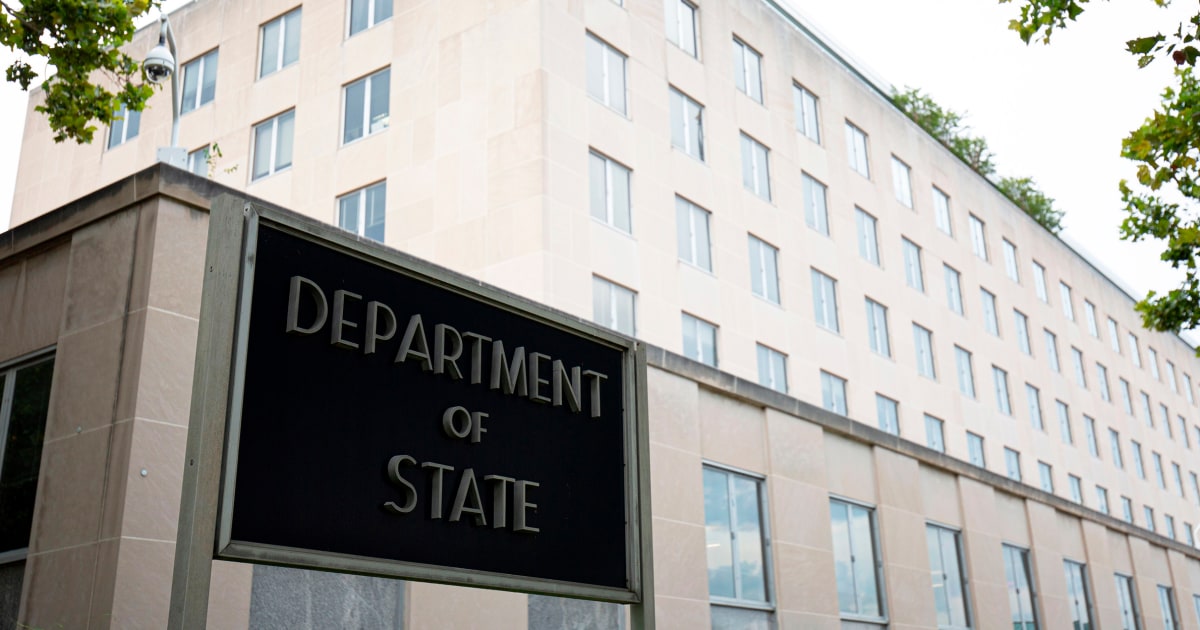
Breaking News: U.S. to Stop Issuing Immigrant Visas for 75 Countries
In a shocking move, the U.S. government has announced that it will no longer be issuing immigrant visas to individuals from 75 countries, citing national security concerns and a need to reform the country’s immigration system.
This decision is set to have far-reaching consequences, affecting thousands of people who were hoping to start a new life in the United States. In this blog post, we’ll take a closer look at the details of the announcement and what it means for those affected.
Which Countries Are Affected?
The list of countries whose citizens will no longer be eligible for immigrant visas includes:
| Country | Region |
|---|---|
| Afghanistan | Asia |
| Albania | Europe |
| Algeria | Africa |
| Angola | Africa |
| Armenia | Asia |
| Azerbaijan | Asia |
| Bahrain | Asia |
| Bangladesh | Asia |
| Belarus | Europe |
| Bosnia and Herzegovina | Europe |
| Burundi | Africa |
| Cameroon | Africa |
| Central African Republic | Africa |
| China | Asia |
| Comoros | Africa |
| Congo (Brazzaville) | Africa |
| Congo (Kinshasa) | Africa |
| Côte d’Ivoire | Africa |
| Cuba | North America |
| Djibouti | Africa |
| Egypt | Africa |
| Equatorial Guinea | Africa |
| Eritrea | Africa |
| Ethiopia | Africa |
| Gabon | Africa |
| Gambia | Africa |
| Georgia | Asia |
| Guinea | Africa |
| Guinea-Bissau | Africa |
| India | Asia |
| Indonesia | Asia |
| Iran | Asia |
| Iraq | Asia |
| Israel | Asia |
| Kazakhstan | Asia |
| Kenya | Africa |
| Kosovo | Europe |
| Kuwait | Asia |
| Kyrgyzstan | Asia |
| Lebanon | Asia |
| Lesotho | Africa |
| Liberia | Africa |
| Libya | Africa |
| Macedonia (FYROM) | Europe |
| Madagascar | Africa |
| Malawi | Africa |
| Malaysia | Asia |
| Mali | Africa |
| Mauritania | Africa |
| Moldova | Europe |
| Mongolia | Asia |
| Mozambique | Africa |
| Myanmar (Burma) | Asia |
| Namibia | Africa |
| Nepal | Asia |
| Niger | Africa |
| Nigeria | Africa |
| Oman | Asia |
| Pakistan | Asia |
| Palestine | Asia |
| Papua New Guinea | Oceania |
| Qatar | Asia |
| Romania | Europe |
| Russia | Asia |
| Rwanda | Africa |
| São Tomé and Principe | Africa |
| Senegal | Africa |
| Serbia | Europe |
| Seychelles | Africa |
| Sierra Leone | Africa |
| Somalia | Africa |
| South Africa | Africa |
| South Sudan | Africa |
| Sri Lanka | Asia |
| Sudan | Africa |
| Suriname | South America |
| Swaziland | Africa |
| Syria | Asia |
| Tajikistan | Asia |
| Tanzania | Africa |
| Thailand | Asia |
| Timor-Leste (East Timor) | Asia |
| Togo | Africa |
| Tunisia | Africa |
| Turkey | Asia |
| Turkmenistan | Asia |
| Uganda | Africa |
| Ukraine | Europe |
| United Arab Emirates | Asia |
| Asia | |
| Vietnam | Asia |
| Asia | |
| Zambia | Africa |
| Zimbabwe | Africa |
What Does This Mean for Immigrants?
For individuals from the affected countries, this decision means that they will no longer be able to apply for immigrant visas to the United States. This includes a range of visa types, such as family-based visas, employment-based visas, and diversity visas.
Those who have already submitted their applications will be notified that their applications will not be processed. It is unclear at this time whether or not the U.S. government will provide refunds for application fees that have already been paid.
Frequently Asked Questions (FAQs)
Here are some answers to some frequently asked questions about the U.S. government’s decision to stop issuing immigrant visas for 75 countries:
- Q: Why is the U.S. government stopping the issuance of immigrant visas for these 75 countries?
A: The U.S. government has stated that the decision is due to national security concerns and a need to reform the country’s immigration system.
- Q: Which types of visas are affected by this decision?
A: The decision affects a range of visa types, including family-based visas, employment-based visas, and diversity visas.
- Q: Can individuals from the affected countries still apply for non-immigrant visas, such as tourist or student visas?
A: Yes, individuals from the affected countries can still apply for non-immigrant visas, but they will be subject to increased scrutiny and will need to meet additional requirements.
- Q: What about individuals who have already submitted their applications for immigrant visas?
A: Those who have already submitted their applications will be notified that their applications will not be processed.
- Q: Will the U.S. government provide refunds for application fees that have already been paid?
A: It is unclear at this time whether or not the U.S. government will provide refunds for application fees that have already been paid.
- Q: How long will this decision be in effect?
A: The U.S. government has stated that the decision will be in effect until further notice, but it is unclear when or if it will be lifted.
- Q: Can individuals from the affected countries still apply for asylum or refugee status in the United States?
A: Yes, individuals from the affected countries can still apply for asylum or refugee status in the United States, but they will need to meet the necessary requirements and follow the proper procedures.
- Q: How will this decision affect U.S. businesses that rely on immigrant labor?
A: The decision may have significant impacts on U.S. businesses that rely on immigrant labor, particularly those in industries such as agriculture, technology, and healthcare.
- Q: Will this decision affect the U.S. economy as a whole?
A: The decision may have significant economic impacts, particularly in industries that rely on immigrant labor, and could potentially lead to labor shortages and increased costs for businesses.
- Q: Can individuals from the affected countries still travel to the United States for business or pleasure?
A: Yes, individuals from the affected countries can still travel to the United States for business or pleasure, but they will need to meet the necessary requirements and follow the proper procedures for obtaining a non-immigrant visa.
Conclusion
The U.S. government’s decision to stop issuing immigrant visas for 75 countries is a significant development that will have far-reaching consequences for individuals, businesses, and the economy as a whole. While the decision is intended to address national security concerns and reform the country’s immigration system, it is likely to be met with criticism and opposition from many quarters.
As the situation continues to unfold, it is essential to stay informed and up-to-date on the latest developments and any changes to the U.S. government’s policies and procedures. For those affected by the decision, it is crucial to seek guidance from qualified immigration attorneys and to explore all available options for immigrating to the United States.
Image Credit: NBC News
